
Understanding Precision Metal Manufacturing in Industrial Equipment
- Jun 29
- 4 min read
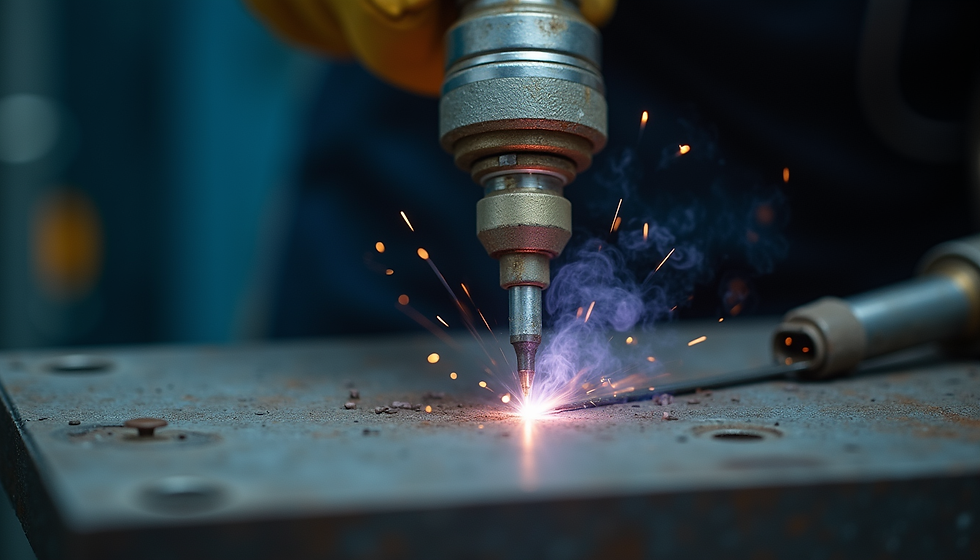
Precision metal manufacturing plays a crucial role in producing high-quality industrial equipment. It involves creating metal parts with exact dimensions and tight tolerances. This process ensures that machinery and components perform reliably and efficiently in demanding environments. In this article, I will explain the key aspects of precision metal manufacturing, its importance, and how it supports various industries such as automotive, aerospace, and defense.
What is Precision Metal Manufacturing?
Precision metal manufacturing refers to the process of fabricating metal parts with very fine accuracy. It uses advanced machinery and techniques to achieve exact measurements and smooth finishes. The goal is to produce components that fit perfectly and function as intended without errors or defects.
This manufacturing method includes several processes such as:
CNC machining
Laser cutting
Grinding
Milling
Turning
Each process contributes to shaping metal into parts that meet strict specifications. For example, CNC machining uses computer-controlled tools to cut metal with high precision. This reduces human error and increases repeatability.
Precision metal manufacturing is essential when parts must withstand high stress or operate under extreme conditions. Even small deviations in size or shape can cause equipment failure or reduce performance.

The Role of Precision Metal Manufacturing in Industrial Equipment
Industrial equipment often requires components that are both durable and precise. Precision metal manufacturing ensures these parts meet the necessary standards. For instance, in automotive manufacturing, engine components must be machined to exact dimensions to ensure smooth operation and fuel efficiency.
Similarly, aerospace parts demand extreme precision due to safety and performance requirements. Even minor flaws can lead to catastrophic failures. Precision manufacturing guarantees that every bolt, bracket, or housing fits perfectly and functions reliably.
In defense industries, precision metal parts are critical for weapons systems and vehicles. They must endure harsh environments and maintain performance under stress. Precision manufacturing provides the quality and consistency needed for these applications.
By using precision metal manufacturing, companies can:
Reduce material waste
Improve product lifespan
Enhance equipment reliability
Lower maintenance costs
These benefits make precision metal manufacturing a vital part of producing industrial equipment that meets modern standards.
Key Techniques in Precision Metal Manufacturing
Several techniques are commonly used to achieve precision in metal manufacturing. Understanding these methods helps in selecting the right approach for specific industrial needs.
CNC Machining
Computer Numerical Control (CNC) machining is one of the most popular methods. It uses programmed instructions to control cutting tools. This allows for complex shapes and tight tolerances. CNC machines can work with various metals including steel, aluminum, and titanium.
Laser Cutting
Laser cutting uses a focused beam of light to cut metal sheets with high accuracy. It is ideal for creating intricate designs and thin parts. The process produces clean edges and minimal heat distortion.
Grinding
Grinding is used to finish surfaces and achieve precise dimensions. It removes small amounts of material to create smooth and flat surfaces. This technique is often applied after machining to improve part quality.
Milling and Turning
Milling involves removing material using rotary cutters, while turning rotates the workpiece against a cutting tool. Both methods are essential for shaping metal parts with precision.
Each technique can be combined or customized depending on the part requirements. Choosing the right method ensures optimal results and cost efficiency.

Materials Used in Precision Metal Manufacturing
The choice of material affects the manufacturing process and the final product's performance. Common metals used include:
Steel: Strong and versatile, used in heavy machinery and automotive parts.
Aluminum: Lightweight and corrosion-resistant, ideal for aerospace and automotive applications.
Titanium: High strength-to-weight ratio, used in aerospace and defense.
Brass and Copper: Good conductivity, used in electrical components.
Each material requires specific handling and machining techniques. For example, titanium is harder to machine but offers superior strength. Aluminum is easier to work with but may need surface treatments to improve durability.
Selecting the right material depends on the application, cost, and performance requirements. Precision metal manufacturing adapts to these needs by using appropriate tools and processes.
How to Choose a Precision Metal Manufacturing Partner
Finding the right manufacturing partner is critical for success. Here are some factors to consider:
Experience and Expertise: Look for companies with proven skills in precision metal manufacturing for your industry.
Technology and Equipment: Ensure they use modern machinery like CNC machines and laser cutters.
Quality Control: Check if they have strict quality assurance processes and certifications.
Material Capabilities: Confirm they can work with the metals you require.
Customization and Flexibility: The partner should be able to handle custom orders and adapt to your specifications.
Location and Logistics: Proximity can reduce lead times and shipping costs.
For example, gmr endüstri teknik bursa is a company that offers custom metal manufacturing and raw material supply. They leverage Turkey's industrial capabilities to provide high-quality, cost-effective solutions, especially for the automotive sector.
By carefully selecting a partner, you ensure your industrial equipment components meet the highest standards and support your production goals.
Future Trends in Precision Metal Manufacturing
The field of precision metal manufacturing is evolving with new technologies and methods. Some trends to watch include:
Additive Manufacturing: Also known as 3D printing, it allows building metal parts layer by layer. This can reduce waste and enable complex designs.
Automation and Robotics: Increasing use of robots improves speed and consistency.
Advanced Materials: Development of new alloys and composites enhances performance.
Digital Twins and AI: Using digital models and artificial intelligence to optimize manufacturing processes.
These innovations will further improve precision, reduce costs, and expand possibilities for industrial equipment manufacturing.
Enhancing Industrial Equipment with Precision Metal Manufacturing
Precision metal manufacturing is a foundation for producing reliable and efficient industrial equipment. It ensures parts fit perfectly, perform well, and last longer. By understanding the processes, materials, and partner selection criteria, companies can make informed decisions that benefit their production lines.
Investing in precision manufacturing leads to better product quality, lower maintenance, and competitive advantages in demanding industries like automotive, aerospace, and defense.
If you want to explore precision metal manufacturing solutions, consider reaching out to experienced providers who understand your industry needs and can deliver tailored services.
By focusing on precision and quality, industrial equipment manufacturers can meet the challenges of modern production and maintain high standards in their products.


Comments