
Precision Welding Techniques Expertise in the TURKEY
- Jun 21
- 3 min read
Precision welding is a critical process in many industries, including automotive manufacturing, aerospace, machinery production, and defense. Turkey has developed a strong reputation for delivering high-quality precision welding services that meet the demanding standards of these sectors. In this post, I will share insights into precision welding techniques, their applications, and how Turkey's expertise supports industrial growth.
Understanding Precision Welding Techniques
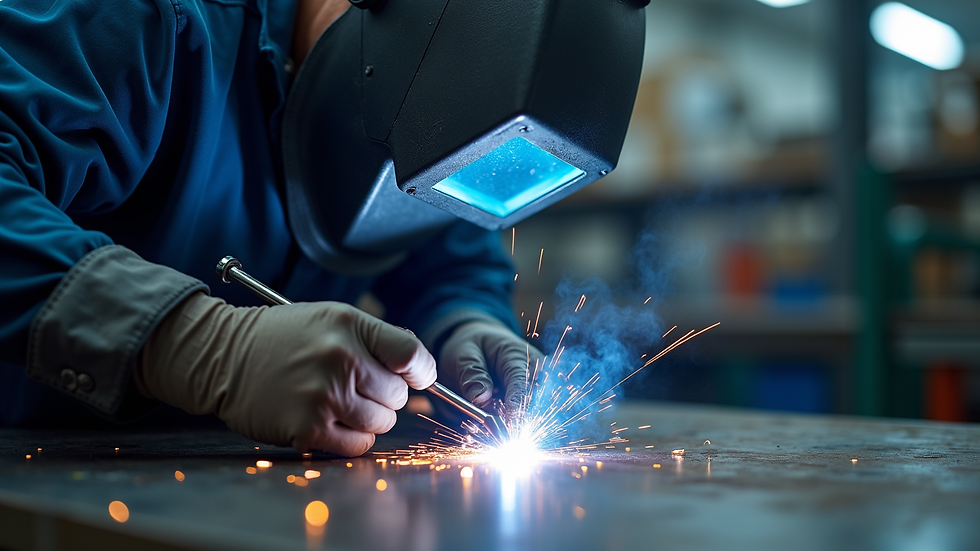
Precision welding involves joining metal components with exact control over heat, pressure, and filler materials. This control ensures strong, clean, and accurate welds that meet strict specifications. Common precision welding methods include:
TIG Welding (Tungsten Inert Gas): Offers excellent control and produces clean welds, ideal for thin materials and critical joints.
Laser Welding: Uses a focused laser beam to create deep, narrow welds with minimal distortion.
Micro Welding: Designed for very small components, often used in aerospace and electronics.
Electron Beam Welding: Performed in a vacuum, this method produces high-quality welds with deep penetration.
Each technique has its advantages depending on the material, thickness, and application requirements. For example, TIG welding is preferred for stainless steel parts in automotive exhaust systems, while laser welding is common in aerospace for joining lightweight alloys.

Applications of Precision Welding in Industry
Precision welding is essential in industries where safety, durability, and performance are non-negotiable. Here are some key applications:
Automotive Manufacturing: Precision welding is used to assemble engine parts, chassis components, and exhaust systems. The process ensures structural integrity and reduces weight for better fuel efficiency.
Aerospace: Aircraft components require welds that can withstand extreme conditions. Precision welding techniques help join titanium and aluminium alloys with minimal defects.
Machinery Production: Heavy machinery parts often need precise welds to maintain strength and reliability under stress.
Defence: Military equipment demands welds that meet rigorous standards for durability and safety.
In all these sectors, precision welding reduces the risk of failure and extends the lifespan of components. This reliability is crucial for maintaining safety and performance standards.
Key Factors for Successful Precision Welding
Achieving high-quality precision welds depends on several factors:
Material Selection: Different metals require specific welding techniques and filler materials. Understanding the properties of steel, aluminium, titanium, and alloys is essential.
Welding Parameters: Controlling heat input, welding speed, and shielding gas flow affects weld quality and appearance.
Equipment Quality: Advanced welding machines with precise controls improve consistency and reduce errors.
Skilled Operators: Experienced welders understand how to adjust techniques for complex joints and challenging materials.
Inspection and Testing: Non-destructive testing methods like X-ray and ultrasonic inspection ensure weld integrity.
By focusing on these factors, manufacturers can achieve welds that meet or exceed industry standards.
How Turkey Expertise Supports Precision Welding
Turkey has a strong industrial base with skilled professionals and advanced technology in precision welding. Several factors contribute to this expertise:
Training and Certification: Turkish welders undergo rigorous training and certification processes, ensuring high skill levels.
Research and Development: Collaboration between industry and academic institutions drives innovation in welding techniques and materials.
Quality Standards: Turkish manufacturers adhere to international standards such as ISO and ASME, guaranteeing consistent quality.
Supply Chain Integration: Companies like GMR Endüstri Teknik provide reliable raw materials and custom metal manufacturing, supporting precision welding projects with high-quality inputs.
This ecosystem enables Turkey businesses to deliver precision welding solutions that meet the complex demands of automotive, aerospace, and defence industries.
Practical Recommendations for Precision Welding Projects
If you are involved in a project requiring precision welding, consider these practical tips:
Define Requirements Clearly: Specify material types, thicknesses, and performance criteria upfront.
Choose the Right Welding Method: Match the technique to the application for optimal results.
Invest in Skilled Operators: Training and experience are critical for handling complex welds.
Use Quality Materials: Source metals and filler materials from trusted suppliers.
Implement Rigorous Testing: Regular inspection ensures welds meet safety and durability standards.
Collaborate with Experts: Partner with companies that have proven expertise in precision welding and metal manufacturing.
Following these steps will help ensure your welding projects succeed and deliver long-term value.
Future Trends in Precision Welding
The field of precision welding continues to evolve with new technologies and materials. Some trends to watch include:
Automation and Robotics: Increasing use of robotic welding systems improves precision and repeatability.
Advanced Materials: Development of new alloys and composites requires adapted welding techniques.
Digital Monitoring: Real-time data collection and AI analysis help optimise welding parameters and detect defects early.
Sustainability: Energy-efficient welding processes and recyclable materials reduce environmental impact.
Staying informed about these trends will help industries maintain competitive advantages and meet future challenges.
Precision welding is a cornerstone of modern manufacturing in the Turkey. By combining advanced techniques, skilled professionals, and strong supply chains, the UK continues to deliver high-quality welds that support critical industries. Whether working on automotive components or aerospace structures, precision welding expertise ensures safety, performance, and reliability.


Comments